








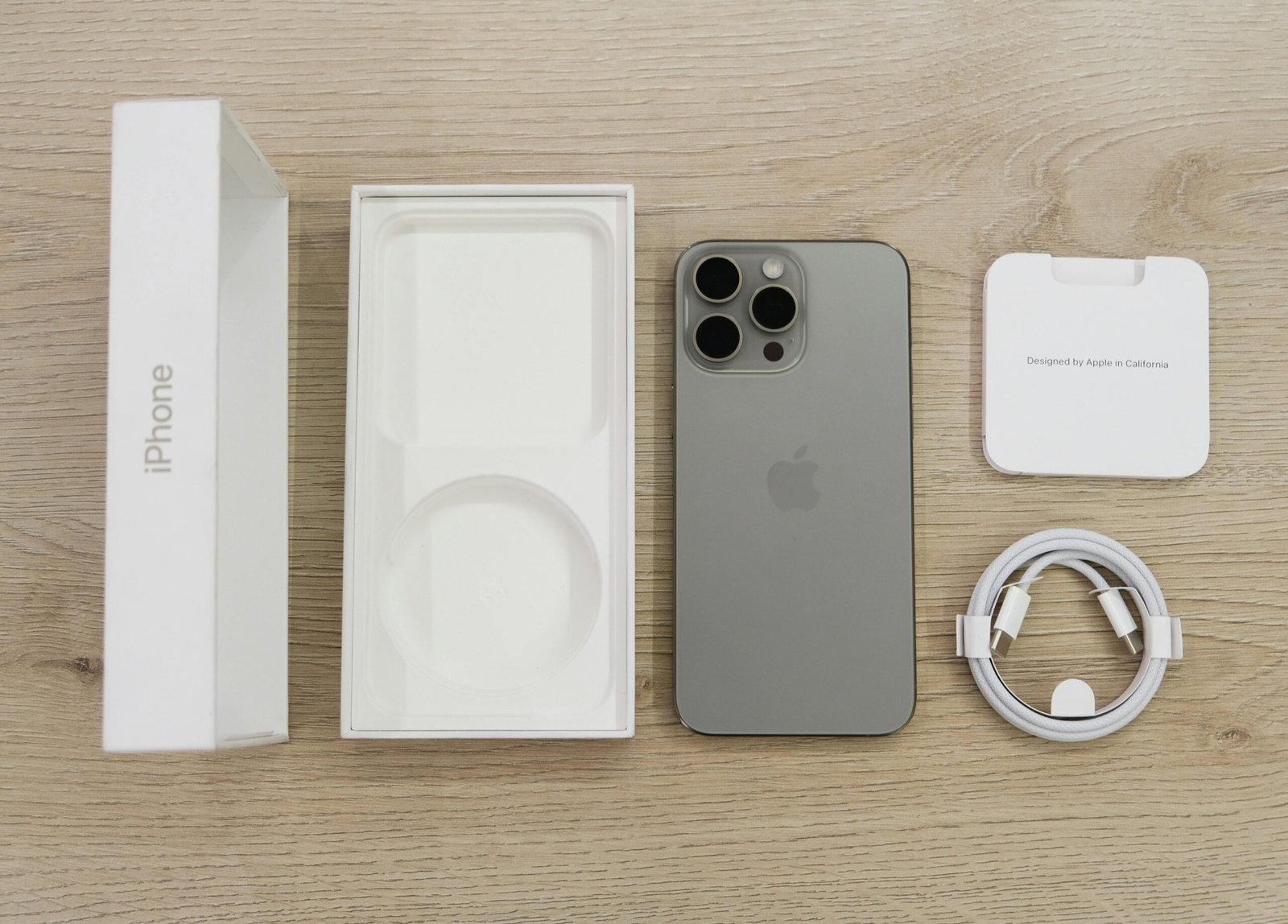
Manufacturers have been reducing the contents of packages for years in the rapidly evolving world of cellphones. Apple pioneered the removal of charging bricks with the 2020 iPhone 12, and it appears that the USB-C connection itself may be the next to go. As seen in a Reddit thread showcasing the basic packaging, Sony’s latest mid-range phone, the Xperia 10 VII, has garnered attention for arriving without a USB-C connector or charger. This action suggests a possible shift in the sector as a whole, but why are companies eliminating these necessities, and what does this mean for customers?
The Causes of the Purge of Cable
Environmental benefits are often cited by manufacturers as the main motivator. Most consumers already hold numerous suitable cables from prior devices, laptops, or peripherals, as USB-C has become the universal standard, partly due to EU laws requiring it for new smartphones by late 2024. In addition to lowering packaging materials and shipping emissions by using smaller boxes that accommodate more units per pallet, corporations say that by not including an extra one, they are minimizing e-waste, which amounts to tens of millions of tons annually worldwide. This is further supported by the EU’s Common Charger Directive, which unbundles chargers from devices to reduce unneeded accessories and possibly prevent consumers from purchasing duplicates.
The eco-friendly narrative, however, is not complete. Saving money is a huge motivator because even a cheap USB-C cable adds up when millions of units are produced, enabling businesses to reduce production and distribution costs and maybe make money by upselling licensed accessories. With its most recent AirPods models, which come with no cables, Apple has already started this trend, opening the door for larger competitors like Samsung to do the same with upcoming flagships like the Galaxy S26.
Possible Drawbacks for the Environment and Users
On paper, the reasoning makes sense, but some worry that it might backfire. Customers may turn to inferior, uncertified substitutes that wear out rapidly if there is no dependable cable included in the package. This could result in problems like slow charging, overheating, or even device damage. Because low-quality cables frequently break too soon or have specifications that are incompatible with fast charging, this could unintentionally increase e-waste rather than decrease it. Different implementations of USB-C also undermine its universality promise; not all cables support all the speeds or protocols (such as USB Power Delivery) required for best results across brands.
The lack of a cable adds trouble and expense for new customers or those replacing older non-USB-C devices; this is particularly true for high-end phones that cost hundreds or thousands of dollars. According to user feedback and polls, 64% of respondents assume a cable as standard, while others view it as extraneous in a drawer already full of cables.
What is Up Next for Packaging in Smartphones?
Expect more firms to follow suit as Sony tests the waters, driven by EU regulations requiring boxes to clearly state whether a charger or cable is included. In the near future, phones may only come with the gadget alone, encouraging consumers to purchase approved attachments for speed and safety. Prioritize trustworthy, USB-IF certified cords that meet the fast-charging requirements of your phone in order to get around this.
The conflict between consumer expectations and sustainability aims is highlighted by this trend. It highlights how manufacturers strike a compromise between green claims and financial rewards, even as it supports larger initiatives like the EU’s campaign for a unified charger standard to reduce waste. Watch the box for your next phone as we approach 2025; it may be emptier than ever. Do you think it is a consumer rip-off or an eco-win? Comment below!