






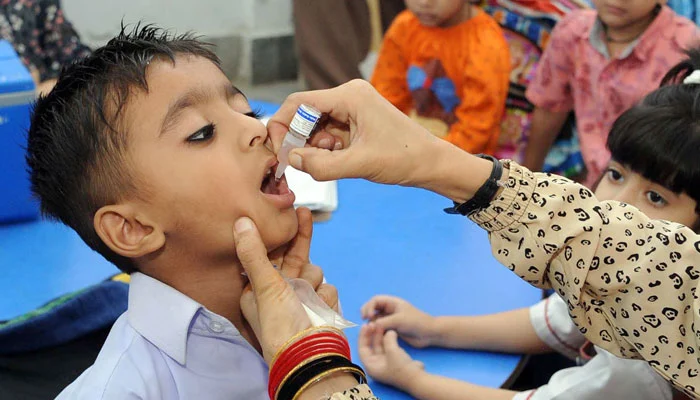
Sindh has seen a sharp rise in poliovirus outbreaks this year, raising urgent public health concerns. As provincial health officials recently highlighted, more than 75% of environmental (wastewater) samples tested since mid-2025 have tested positive for poliovirus, a rate the Sindh Health Department has described as “unprecedented.” The findings were presented at a high-level meeting of the state task force, which noted that the increased positivity rate reflects widespread circulation of the virus across the state. There are at least 21 union councils in the affected areas. So far in 2025, nine polio cases have been confirmed in Sindh – three in Badin, two in Thatta, one each in Hyderabad, Kambar (Kambar), Larkana, and Umerkot, with the latest case occurring in Gujro district (eastern district) of Karachi.
This alarming relapse has prompted state governments to recognize the existence of a serious “public health crisis” and call for vaccination campaigns to be stepped up and closely monitored.
What the data means: environment, infection, risk ?
Environmental monitoring (testing wastewater for the presence of poliovirus) is an early and sensitive indicator of the presence of the virus and often indicates circulating virus before paralysis occurs. Current trends suggest that the virus is not limited to isolated areas but is widespread in many communities in Sindh.
The fact that more than three-quarters of environmental samples tested positive highlights how the virus can spread silently, putting many unvaccinated children at risk, even if they are not showing clinical symptoms. Given the density of urban populations, particularly in metropolitan areas such as Karachi, transmission through sewage systems can pose a particularly serious risk, highlighting the urgency to scale up vaccination efforts.
What are the authorities doing, and what should happen?
In response to the surge, state leaders led by Murad Ali Shah have ordered aggressive measures, and a week-long anti-polio campaign is scheduled to begin on December 15, 2025. Officials called for strict monitoring, full mobilization of frontline workers, and zero tolerance for mismanagement or “strikes.”
They also emphasized the need for a disciplined and high-quality campaign to ensure that all children in the target age group receive oral polio vaccine (OPV) and to break the chain of viral transmission.
But to truly address this crisis, these efforts must go beyond short-term campaigns. Consistent and routine vaccination, community engagement to reduce vaccine hesitancy, rigorous surveillance (both environmental and clinical), and rapid response to new cases are required. Why it matters: For children, public health, and Pakistan’s polio eradication goal
The resurgence in Sindh marks a major setback in the fight against polio. Children who are not vaccinated, especially those under the age of 5, are at increased risk of lifelong paralysis. More broadly, widespread detection in the environment threatens the country’s hard-won progress in polio eradication and undermines public trust. If left unchecked, the virus could spread beyond traditional hotspots and lead to outbreaks in previously low-risk areas. Given that polio remains endemic in only a few countries and global efforts to eradicate it depend on the virus not transmitting anywhere, such a surge could jeopardize Pakistan’s reputation and commitment to global health efforts.
What should we focus on, and what should each citizen do?
Vaccination Campaign: The success of the upcoming vaccination campaign is critical. Parents should ensure that OPV drops are administered on time to children under 5 years of age.
Transparency of monitoring data. Authorities should regularly share updates on environmental sampling and case numbers to keep the public informed and alert. Public recognition and trust. Overcoming vaccine hesitancy through education, building trust, and combating misinformation is essential to delivering vaccines to all children.
Medical infrastructure and rapid response. Polio cases must be quickly identified, isolated if necessary, and prioritized for subsequent vaccination in surrounding communities. This increase in poliovirus detections in Sindh is a stark warning that polio is not yet eradicated, and complacency could undermine years of hard work. Collective vigilance, continued vaccination, and community cooperation are the immediate needs for the health of our children and the future of our country.