







1. Addressing Gaza’s Increasing Humanitarian Crisis
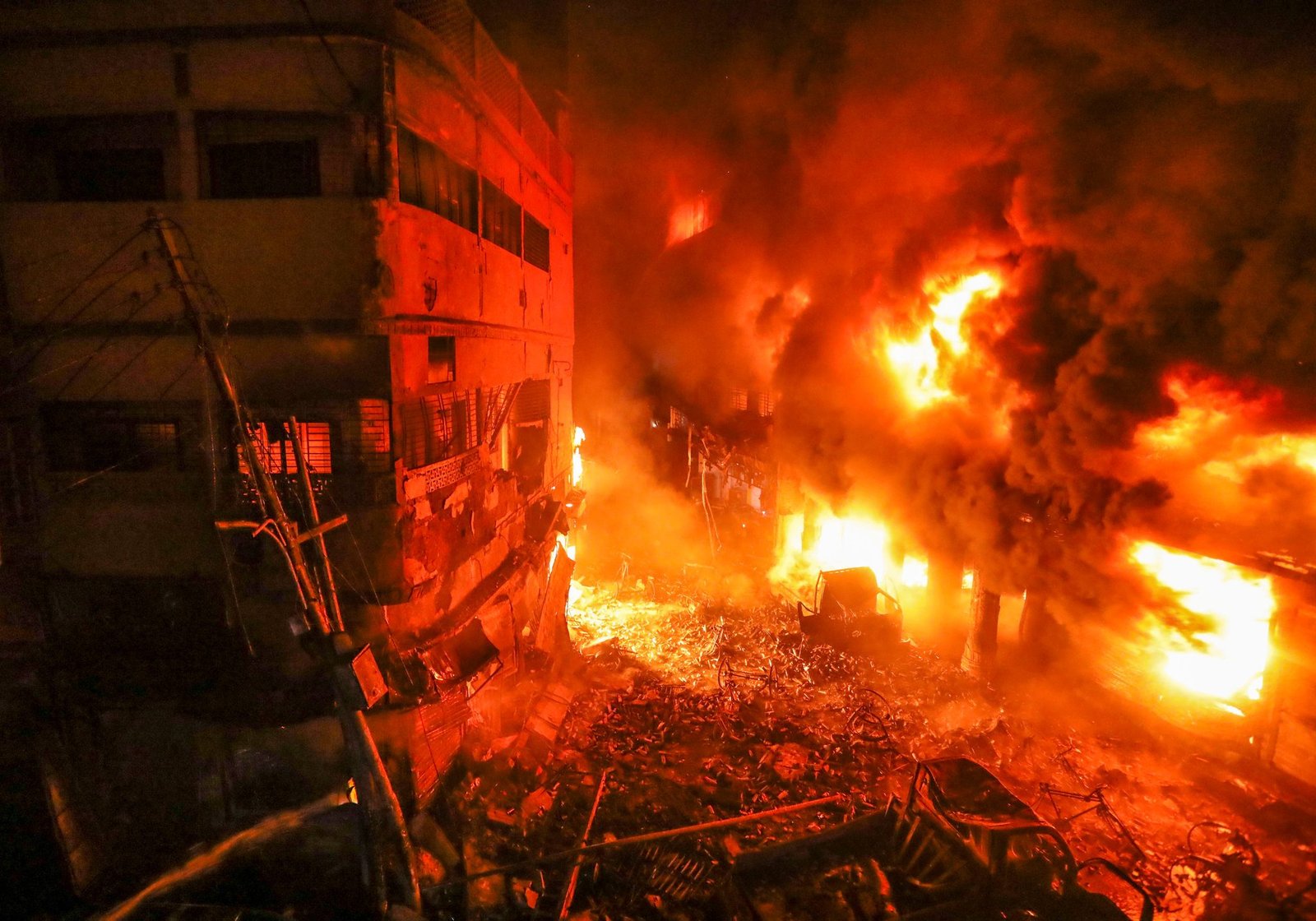
Concern for the humanitarian crisis in Gaza is causing the world to take notice of Macron’s announcement. Due to the protracted fighting, limited humanitarian resources, and the hot weather, almost 2 million Palestinians are in danger of famine and health collapse. As symptoms get worse every day, humanitarian organizations issue a mass hunger warning. France sees recognition as a moral obligation to put pressure on Israel to implement a ceasefire and humanitarian relief measures.
2. Breaking the Deadlock in Diplomacy
A UN-backed dialogue process and a planned coordinated recognition with nations, including the UK, Canada, and Saudi Arabia, were among the earlier diplomatic attempts that failed to gain momentum due to internal disputes among allies and concerns of U.S. retaliation. Macron decided to take unilateral action because he was fed up with this impasse.
3. Reiterating France’s Global Presence
France would become the first permanent member of the UN Security Council and a major Western power to formally recognize Palestinian statehood, joining the more than 140 nations that have previously done so, if the UN General Assembly did so in September 2025. This strengthens France’s position in promoting the two-state solution and could serve as a model for other G7 and EU countries.
4. Addressing Pressures from the Home and the Population
Macron’s choice is indicative of larger domestic political and societal forces. In addition to having a substantial Jewish population, France is home to the largest Muslim community in Western Europe and is undergoing internal conflict over its Middle East policies. There is increasing pressure to address the public’s preference for acknowledgment.
5. Reinforcing the Two-State Structure and Reforming the Palestinian Authority
Macron underlined that mutual recognition of Israel, reforms to the Palestinian Authority, and demilitarization of Hamas should all accompany recognition. Establishing the foundation for a viable, independent Palestine that can live in peace with Israel is the aim.
Practical Implications
- Operating Symbolically: While France joins a majority of UN members in recognizing Palestinian statehood, the decision is considered mostly symbolic—it doesn’t instantly grant full UN membership but does improve Palestine’s diplomatic standing.
- Using recognition as diplomatic leverage, France hopes to mobilize international and European support for a two-state solution, and it is urging allies like Germany, Italy, and the United Kingdom to do the same.
- Legal Implications: In future legal proceedings about Palestinian rights and sovereignty, such as those before the International Criminal Court or national courts, recognition of Palestine may carry weight.
Responses and Consequences
Criticism
Israel: Prime Minister Netanyahu warned that the action could empower Hamas and jeopardize Israel’s security, calling it a “reward for terror.” Other Israeli leaders responded by calling it shameful and calling for the annexation of the West Bank.
US: Secretary of State Marco Rubio called the decision “reckless” and propaganda for Hamas. Trump, the former president, brushed it off as useless. Concerns about escalation were voiced by Israel’s astute allies.
Support
Hamas and the Palestinian Authority: The Palestinian Authority applauded the action as a confirmation of their international legal rights. Hamas called it a significant move and urged other countries to emulate France.
European and Arab Leaders: Macron’s leadership in pursuing a just, two-state solution was commended by Saudi Arabia, Jordan, Spain, and other countries.
Conclusion
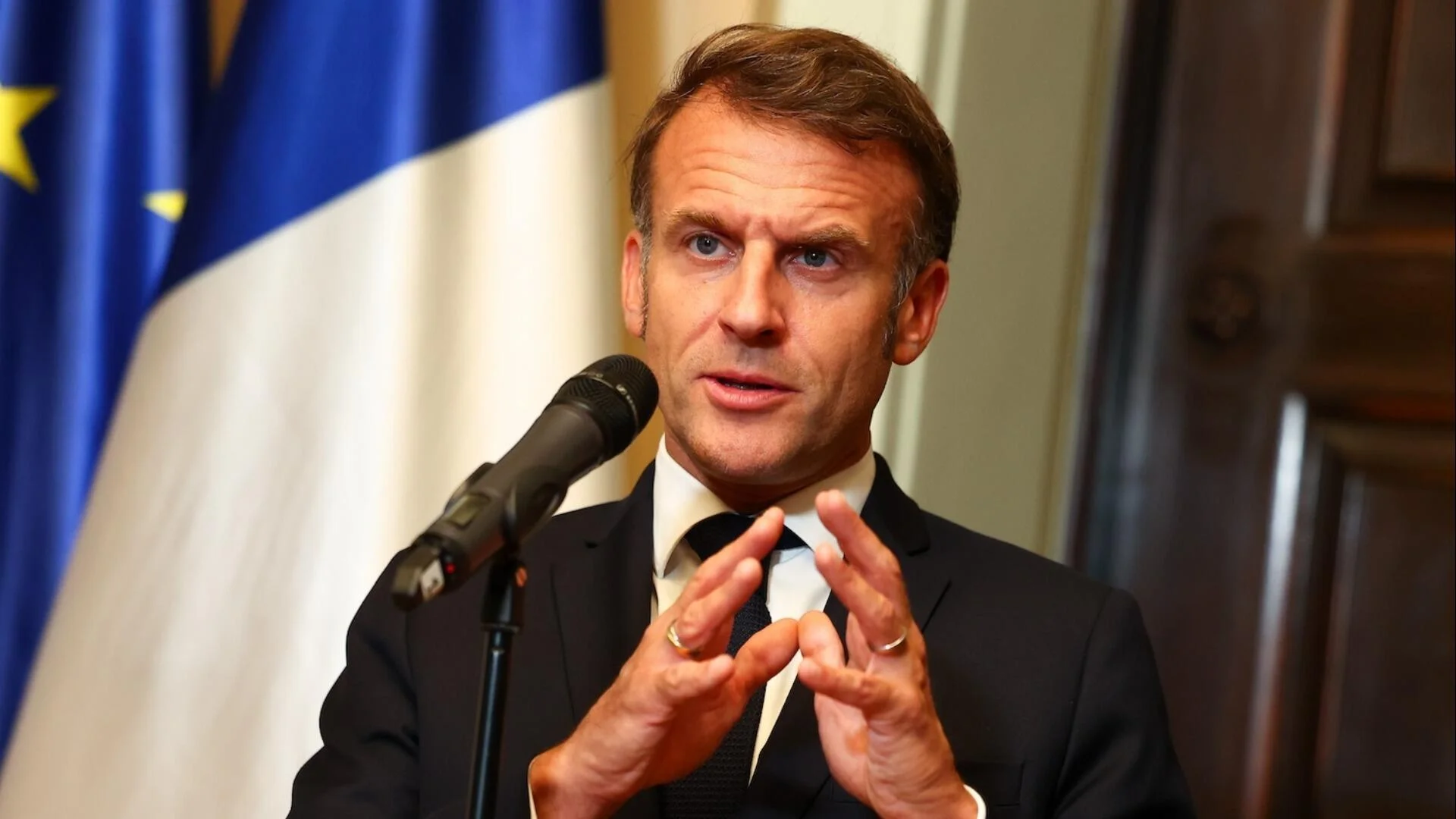
The recognition of a Palestinian state by Macron in September 2025 marks a turning point in Western diplomacy. France has chosen to take the lead despite harsh criticism because of its humanitarian urgency in Gaza, diplomatic dissatisfaction, strategic leadership ambitions, domestic pressure, and two-state framework vision.
It remains to be seen if this will serve as a catalyst for significant peace development or if it will only serve as another political hot spot. For the time being, France asserts that there is “no alternative” to justice, sovereignty, and the pursuit of peace between two peoples.